Posts

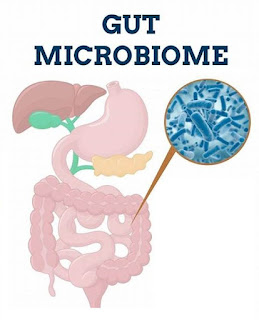
Gut Microbiota in Weight Management
Image
  The Role of Gut Microbiota in Weight Management   The burgeoning field of microbiome research has revealed that our gut bacteria play a crucial role in a variety of bodily functions, including digestion, immune response, and, more intriguingly, weight management. The relationship between gut microbiota and obesity is an area of significant interest as it has profound implications for both preventive and therapeutic measures against this global epidemic. Understanding how different gut bacteria influence metabolism and fat storage opens the door to innovative strategies for weight management and obesity treatment.   The Gut Microbiota: An Overview The human gastrointestinal tract is home to trillions of microorganisms, collectively referred to as the gut microbiota. These microorganisms include bacteria, archaea, viruses, and fungi. The composition of the gut microbiota is influenced by numerous factors, including diet, age, genetics, and environmental exposures....

Intermittent Fasting Beyond Weight Loss

Image
  The Health Benefits of Intermittent Fasting Beyond Weight Loss   Intermittent fasting (IF) has gained considerable traction in recent years as a popular dietary approach, often heralded for its immediate impact on weight loss. However, its benefits extend far beyond mere weight control. As research unfolds, it becomes increasingly clear that intermittent fasting may confer numerous physiological and psychological health benefits. This essay explores these multifaceted advantages, offering insights into how IF can enhance general well-being and resilience. Understanding Intermittent Fasting Intermittent fasting is not a diet in the traditional sense; it is an eating pattern that alternates between periods of eating and fasting. Common approaches to IF include the 16:8 method, where individuals fast for 16 hours and eat during an 8-hour window, and the 5:2 method, where caloric intake is markedly reduced for two non-consecutive days of the week. This variability in fas...

Morgellons Disease

Image
   Morgellons Disease: Understanding the Controversy and  Implications for Affected Individuals Morgellons disease is a rare and controversial condition characterized by an array of perplexing symptoms, including the sensation of crawling insects on or under the skin, the presence of unusual fibers or particles coming from sores, and various dermatological issues. First described in a 2002 report by Mary Leitao, who noticed similar symptoms in her young son, Morgellons has since sparked intense debate within both the medical community and among patients. This essay aims to explore the multifaceted nature of Morgellons disease, examining its symptoms, potential causes, and the ongoing controversy that surrounds it.   The Symptoms of Morgellons Disease The clinical features of Morgellons disease are diverse and affect the patients significantly. Commonly reported symptoms include: 1. Dermatological Manifestations: Patients often describe persistent skin lesion...

Fluoric Acid for sexual weakness

  فلورک ایسڈ۔ جنسی توانائی کے لئے معجزاتی دوائی فلورک ایسڈ (Fluoric Acid) ایسے لوگوں کے لئے بہترین دوائی ہے جو جنسی بے راہروی کا شکار ہوجاتے ہیں اور اپنے آپ کو بالکل بیکار اور ناکارہ کرلیتے ہیں۔ لیکن اس کے باوجود بدنظری سے باز نہیں آتے اور نظربازی کو اپنا پیشہ بنا لیتے ہیں۔ ایسے لوگوں کے لئے فلورک ایسڈ، پکرک ایسڈ، لائیکو پوڈیم اور سیپیا اپنے اپنے مراج کے مریضوں میں بہترین ثابت ہوتی ہیں   بچوں کے ناخن کاٹنا ، ان کو بیماریوں سے بچانے میں بہت معاون  ہومیو پیتھی میں پیدائشی بہرے پن کا علاج

Urdu Ghazal by Dr M Noor Asi

Image
Urdu Ghazal by Dr M Noor Asi

Microbiome Diversity

  The Role of Microbiome Diversity in Autoimmune Diseases     Introduction   Autoimmune diseases constitute a diverse spectrum of disorders where the immune system erroneously targets the body’s own tissues, leading to inflammation and damage. Recent research has uncovered a significant connection between the diversity of the microbiome and the etiology of these diseases. The human microbiome, a complex community of microorganisms, plays a crucial role in maintaining immune homeostasis. This essay aims to explore the relationship between microbiome diversity and autoimmune diseases in detail, dissecting how variations in microbial composition may influence immune responses, contribute to disease pathogenesis, and present novel therapeutic avenues.   The Long-Term Effects of Vitamin D Deficiency in Adolescents    Understanding the Microbiome   The microbiome refers to the vast array of microorganisms, including bacteria, viruses, fungi, and...

Long-Term Effects of Vitamin D Deficiency

   The Long-Term Effects of Vitamin D Deficiency in Adolescents     Introduction Vitamin D is a fat-soluble vitamin that plays a crucial role in many bodily functions, including calcium absorption, immune function, and mood regulation. During adolescence—a period characterized by rapid physical, emotional, and cognitive changes—adequate vitamin D levels are paramount for sustaining overall health. However, vitamin D deficiency is increasingly recognized as a significant public health issue, particularly among adolescents. This blog post aims to explore the long-term effects of vitamin D deficiency in this vulnerable age group, highlighting the implications for bone health, immune function, mental well-being, and susceptibility to chronic diseases. Urethral Stricture and difficulty in urinating     Understanding Vitamin D and Its Sources   Vitamin D can be obtained through dietary sources, such as fatty fish, fortified dairy products, and eggs...